So, you’re trying to find the best monthly planner. Are you tired of buying something that looks great online, then falls apart or sits unused on your desk? Stop guessing. Most planners are a waste of money if they don’t fit your actual needs. Here’s what actually works.
Why Most Monthly Planners Fail You
Let’s get real. Most monthly planners are designed to look pretty, not to be effective. They fail because they prioritize aesthetics over function, or they simply get the basics wrong. It’s not you; it’s the planner.
Over-complicated Layouts
You don’t need a planner with ten different sections for “gratitude” and “manifestation” if all you want to do is see your month at a glance. Too many bells and whistles create decision fatigue. You end up not using any of it. A monthly planner’s primary job is to show you your appointments, deadlines, and big-picture tasks for the entire month on one or two facing pages. If it can’t do that simply, it’s a fail.
Poor Paper Quality
This is a major deal-breaker. Thin, bleed-through paper makes your planner unusable. You write an event on one side, and it ghosts or bleeds right through to the next page. Forget using gel pens or fountain pens. You’re stuck with basic ballpoints, and even then, it often looks messy. A good planner needs paper that can handle typical writing instruments without issue. Anything less is unacceptable.
Lack of Essential Features
Some planners are too minimal. They give you a monthly grid and nothing else. Where do you put your goals? Your notes? Your recurring tasks? A monthly planner still needs a few key support elements. Dedicated space for monthly goals, a small notes section, and maybe a future planning area for the next few months are crucial. Without these, you’re constantly scrambling for extra paper, which defeats the purpose of a centralized system.
Key Features That Actually Matter
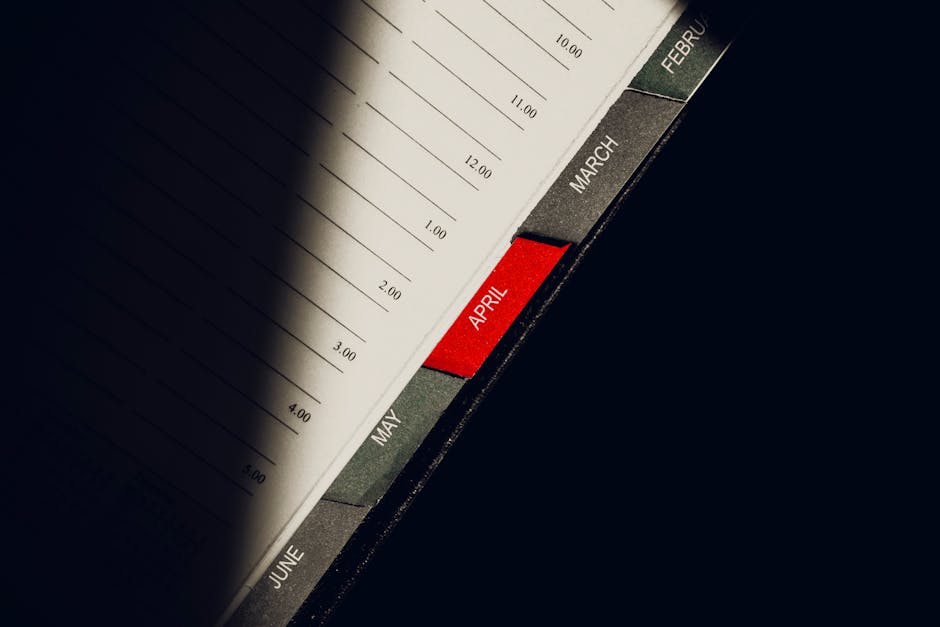
Forget the hype. These are the non-negotiable elements for a monthly planner that helps you get things done. Pay attention here; this saves you money and frustration.
- Binding Type: This impacts durability and ease of use. Spiral-bound lays flat, which is essential for writing. Hardcover, sewn-bound planners like those from Moleskine or Leuchtturm1917 are durable but don’t always lie perfectly flat without some breaking-in. A wire-bound planner is often the most practical choice for day-to-day use, allowing you to fold it back completely.
- Paper Weight & Finish: Aim for at least 80 GSM (grams per square meter) paper. Better yet, 100-120 GSM. This prevents bleed-through and ghosting. Some high-end planners, like the Hobonichi Techo, use Tomoe River paper, which is thin but incredibly resistant to bleed-through, offering a unique writing experience. Understand what your preferred pens require.
- Monthly Layout Clarity: Your month needs to be visible at a glance. Two-page spreads are standard. Look for ample space within each daily box. Some planners have a vertical layout, others horizontal. Pick what makes sense for your schedule density. Don’t compromise on clear grid lines and sufficient writing room.
- Size & Portability: A5 (approx. 5.8 x 8.3 inches) is a sweet spot for many. It’s big enough for detail but small enough to carry. A4 is good for desk-only use, B6 or A6 for extreme portability. If it’s too big, you won’t carry it. Too small, you won’t write enough in it. Be honest about your lifestyle.
- Additional Pages: Look for dedicated sections for notes, future planning, goal setting, or even habit trackers. These extras transform a basic calendar into a functional productivity tool. Without them, you’re buying a simple calendar, not a planner.
Binding Types Explained
Spiral-bound planners, like many from Plum Paper, offer maximum flexibility. You can fold the planner back on itself, saving desk space. Sewn-bound planners (often found in Moleskine or Leuchtturm1917) are more aesthetically pleasing and durable in a bag, but they take up more room on a desk when open. Disc-bound systems (like Happy Planner) offer ultimate customization, letting you add or remove pages, but they can be bulky.
Paper Weight for Ink Bleed
If you’re using Sharpies, you need 120 GSM. Standard gel pens or rollerballs often do fine with 100 GSM. Fountain pen users need special consideration, often favoring Tomoe River paper (like in Hobonichi) or very thick paper (120+ GSM). Don’t settle for anything under 80 GSM; it’s a false economy.
Calendar View Flexibility
Some monthly views include a small column for monthly goals or recurring tasks. Others are purely grid-based. Some even integrate a mini weekly view at the bottom of the monthly spread. Think about how you process information. Do you need a big-picture overview with minimal detail, or do you integrate smaller tasks directly into the monthly boxes? Clarity is .
Top Monthly Planners for Serious Scheduling
Enough general talk. You want names. These brands consistently deliver the goods. They aren’t perfect for everyone, but they are solid choices that get the job done without fuss.
| Planner/Brand | Layout Focus | Size Options | Binding | Price Range (USD) | Best For |
|---|---|---|---|---|---|
| Passion Planner | Monthly + Weekly, Goal-Oriented | Small, Medium, Large | Softcover, Hardcover, Spiral | $25 – $35 | Goal setters, detailed scheduling, journaling. |
| Hobonichi Techo (Cousin) | Monthly + Daily, Minimalist Grid | A5 (Cousin), A6 (Original) | Sewn (Tomoe River Paper) | $35 – $60 (cover extra) | Minimalists, fountain pen users, high-volume note-takers. |
| Plum Paper Planner | Highly Customizable Monthly + Weekly | 7×9, A5, 8.5×11 | Spiral-bound | $35 – $60+ | Customization enthusiasts, specific life roles (teachers, moms). |
| Moleskine Monthly Planner | Monthly Grid + Lined Pages | Pocket, Large, XL | Sewn (Hard/Softcover) | $15 – $30 | Simplicity, portability, bullet journaling alongside monthly view. |
Passion Planner vs. Hobonichi Techo
If your life is about hitting specific goals and breaking them down, the Passion Planner is your workhorse. Its “Passion Roadmap” and weekly layouts are fantastic for execution. It’s direct. The Hobonichi Techo Cousin, on the other hand, is for creative planning and detailed daily capture. Its monthly spreads are clean, but the power is in its daily pages. If you only need a monthly overview, Hobonichi might be overkill unless you really value that Tomoe River paper for notes.
Plum Paper Customization
No one beats Plum Paper for sheer customization. You pick your start month, layout style, add-on sections (budget, cleaning, direct sales, etc.). It’s built to fit your life, not the other way around. This is perfect if you have very specific needs that off-the-shelf planners don’t meet. Be warned: too many options can paralyze you, but if you know what you want, it’s gold.
Don’t Make These Common Buying Mistakes

You’ve seen the pretty Instagram photos. You’ve read the glowing reviews. But before you pull the trigger, consider these classic blunders. They derail more planning efforts than bad paper ever could.
The Size Trap
Everyone thinks bigger is better, right? Wrong. An A4 planner (8.5 x 11 inches) is great if it lives on your desk and never moves. But if you expect to carry that behemoth in your bag every day, you’ll quit. Fast. Conversely, a tiny A6 planner (4.1 x 5.8 inches) is great for portability but offers almost no room for actual planning or detailed notes. You’ll end up with cramped writing or needing supplementary notebooks. Be realistic about where and how you’ll use this thing. An A5 planner often strikes the best balance for most users, offering enough space without being a burden. Measure your existing bag; check your desk space. Don’t just eyeball it.
Mismatching Layouts to Habits
This is critical. If you’re a big-picture person who only needs to see major events, a simple monthly grid with a notes section is perfect. Don’t buy a planner with elaborate weekly or daily sections you’ll never touch. You’re paying for unused pages and adding unnecessary bulk. On the flip side, if your life is packed with granular appointments and tasks, a monthly-only planner will leave you feeling overwhelmed and disorganized. You’ll need more detailed space, even if it’s just a small adjacent weekly view. Assess your actual planning style: do you plan big blocks, or do you micro-schedule? Your planner needs to reflect that, not fight it.
Prioritizing Looks Over Function
That gorgeous cover with the gold foil? It means nothing if the paper ghosts or the binding breaks in a month. Aesthetics are a bonus, not the primary criteria. You’re buying a tool for productivity, not a coffee table book. Brands like Leuchtturm1917 offer classic, clean designs with excellent paper quality. Plum Paper allows you to design custom covers but maintains high functionality. Always check reviews specifically addressing paper quality, binding durability, and ease of writing *before* you get distracted by pretty colors. A planner that looks good but isn’t used is just expensive clutter.
The Verdict: One Planner Stands Out
Look, if I had to pick just one monthly planner that hits the sweet spot for most serious schedulers, it’s the Plum Paper Planner (7×9, monthly + a simple weekly layout add-on). Its customization options mean you can build it to your exact needs, ensuring you actually use it. The paper is solid, and the spiral binding makes it practical. Period.
Your Monthly Planner Questions, Answered
Still got questions? You’re not alone. Let’s clear up some common confusion. These are straightforward answers to frequent planner dilemmas.
Should I go digital instead?
Digital planners (Google Calendar, Outlook Calendar, Notion) excel at reminders, sharing, and quick edits. They’re great for collaboration. But for big-picture overview, visual memory, and focused planning without distractions, a physical monthly planner still wins. You see the whole month without scrolling. There’s no app to open, no notifications to pull you away. The act of physically writing helps retention. Use both: digital for reminders, physical for strategy and commitment.
How long should a monthly planner last?
A good monthly planner should last at least one full calendar year, preferably 18 months if it’s undated or starts mid-year. If your planner falls apart before the year is out, you bought a cheap knock-off. Quality binding, sturdy covers, and robust paper are non-negotiable for longevity. Expect a well-made planner to endure daily use, being thrown in bags, and constant opening/closing. Anything less means you need to upgrade.
What about undated planners?
Undated monthly planners are excellent for flexibility. You can start anytime, without wasting pages if you miss a month or two. This is perfect if your schedule is inconsistent or if you’re trying out a new planning system. However, they do require you to manually fill in all the dates, which can be a chore. If you prefer a “set it and forget it” approach, a pre-dated planner is simpler. For those who value adaptability and aren’t afraid of a few minutes of setup, undated is a solid choice. Brands like Passion Planner offer both dated and undated versions.
The monthly planner market is packed with options. Don’t get caught up in the noise. Focus on functionality, paper quality, and a layout that genuinely supports your workflow. The right planner isn’t a magic bullet, but it’s a critical tool for serious organization. Choose wisely.