
Is it actually possible to learn a silent, internal practice like meditation from the static pages of a printed book? This question often surfaces when beginners find themselves overwhelmed by the sheer volume of spiritual literature and self-help manuals currently saturating the market. While digital applications have dominated the modern landscape of mindfulness, the depth and nuance required for a sustainable practice are frequently better served by the long-form, structured curriculum found in a physical text. A book allows for a pace of learning that an audio-guided session cannot replicate; it permits the reader to pause, reflect, and revisit complex instructions that involve the subtle shifts of internal awareness.
The search for the best meditation guide book is rarely about finding a single “correct” volume. Instead, it is about aligning the author’s instructional methodology with the reader’s current psychological state and long-term objectives. Some seekers require the rigorous, stage-based technicality of a manual, while others find their entry point through poetic, narrative-driven reflections on the nature of consciousness. In this analysis, we will deconstruct the most effective guides available today, evaluating them based on their pedagogical clarity, scientific grounding, and practical utility.
What makes a meditation book effective for beginners versus advanced practitioners?
The primary challenge for any meditation guide is the translation of subjective internal experiences into objective written instructions. For a beginner, the most effective book is one that demystifies the process without oversimplifying the profound cognitive shifts that occur during practice. Beginners often struggle with the “myth of the empty mind”—the false belief that meditation requires the immediate cessation of all thought. A high-quality introductory text must address these misconceptions immediately, providing a framework for working with the inevitable distractions of the wandering mind.
Effective beginner guides usually focus on the mechanics of posture, the physiology of the breath, and the management of physical discomfort. They provide a clear “on-ramp,” often structured as a multi-week program. For instance, Sharon Salzberg’s Real Happiness is frequently cited as a premier entry point because it breaks down the vast landscape of meditation into a manageable 28-day challenge. This structure provides the accountability that many novices lack when they first attempt to sit in silence. The language in these books tends to be secular and accessible, avoiding dense Sanskrit or Pali terminology that might create a barrier to entry.
Conversely, advanced practitioners require books that delve into the mechanics of the mind at a granular level. At this stage, the reader is no longer struggling to sit for twenty minutes; they are instead navigating the nuances of dullness, agitation, and the subtle layers of the ego. Books for the experienced meditator, such as The Mind Illuminated by John Yates (Culadasa), function more like technical schematics for consciousness. They utilize a stage-based approach, detailing exactly what a practitioner should expect as they move from basic concentration to profound states of meditative absorption. For the advanced user, the value of a book lies in its ability to diagnose specific roadblocks in their practice and offer precise corrective techniques.
Which meditation guide books offer the most scientifically grounded approach?

In the last two decades, the intersection of neuroscience and contemplative practice has birthed a new genre of meditation literature. These books prioritize empirical data over spiritual dogma, making them ideal for skeptics or those who prefer a biological explanation for the benefits of mindfulness. The shift toward “evidence-based” meditation has made the practice more palatable to a Western audience that may be wary of the religious overtones often associated with Eastern traditions.
A standout in this category is Altered Traits: Science Reveals How Meditation Changes Your Mind, Brain, and Body by Daniel Goleman and Richard Davidson. This is not a “how-to” manual in the traditional sense, but it is an essential guide for understanding the *why* behind the practice. The authors, both pioneers in the field of affective neuroscience, filter out the “junk science” that often plagues the wellness industry. They distinguish between the temporary “states” one feels during meditation and the lasting “traits” that develop over years of consistent practice. For a reader who needs to see the fMRI results before they commit to a cushion, this is the definitive text.
For those seeking a more practical but still highly skeptical approach, 10% Happier by Dan Harris remains a staple. Harris, a former ABC News anchor, chronicles his journey from a nationally televised panic attack to a dedicated meditation practice. The book is effective because it approaches the subject from the perspective of a cynical professional. It doesn’t promise enlightenment or cosmic bliss; it promises a marginal, yet significant, improvement in one’s ability to handle the stressors of modern life. It serves as a guide for the “unconvinced,” providing a bridge between high-pressure career demands and the quietude of the breath.
Top-rated meditation books for mindfulness and stress reduction in 2024
When selecting a guide specifically for the current year, we must look at titles that have stood the test of time while remaining relevant to our increasingly digital and distracted lives. The following table compares four of the most influential meditation guides based on their core methodology and target audience.
| Book Title | Primary Methodology | Best For | Approx. Price |
|---|---|---|---|
| The Mind Illuminated | Stage-based Samatha-Vipassana | Serious practitioners seeking a manual | $25.00 |
| Mindfulness in Plain English | Vipassana (Insight) | Beginners wanting clear, direct steps | $16.00 |
| Wherever You Go, There You Are | Secular Mindfulness (MBSR) | Daily life integration and stress | $18.00 |
| Real Happiness | Metta and Mindfulness | Novices needing a structured program | $15.00 |
The Mind Illuminated by John Yates (Culadasa)
This book is widely considered the most comprehensive manual on meditation ever written in English. It combines traditional Buddhist wisdom with modern cognitive psychology. Pro: It provides a clear 10-stage map of progress, allowing you to identify exactly where you are in your journey. Con: Its density can be intimidating; it is nearly 500 pages of technical instruction that may feel like a textbook rather than a relaxing read.
Mindfulness in Plain English by Bhante Gunaratana
A classic of the genre, this book does exactly what the title suggests. It strips away the mystery of Vipassana meditation. Pro: Exceptionally clear writing that addresses common pitfalls like boredom and fear. Con: While mostly secular, it does occasionally lean into traditional Buddhist concepts that might require further research for a total beginner.
Wherever You Go, There You Are by Jon Kabat-Zinn
Jon Kabat-Zinn is the father of Mindfulness-Based Stress Reduction (MBSR). This book is a collection of short, pithy chapters designed to be read in small bites. Pro: Excellent for people with busy schedules who need reminders to be present throughout the day. Con: It lacks a rigorous, step-by-step technical progression for those wanting to master deep concentration.
How do traditional Buddhist texts compare to modern secular meditation guides?

The tension between traditionalism and secularization is a central theme in meditation literature. Traditional texts, often written by monastics or scholars within a specific lineage (such as Zen, Tibetan, or Theravada), view meditation as one component of a broader ethical and philosophical system. In these books, meditation is not just a tool for stress reduction; it is a vehicle for spiritual liberation and the cultivation of virtues like compassion and equanimity. The Miracle of Mindfulness by Thich Nhat Hanh is a prime example. It is deceptively simple, focusing on the sanctity of everyday tasks like washing dishes or eating an orange. However, its roots are deeply embedded in Zen philosophy, emphasizing the interconnectedness of all life.
Modern secular guides, on the other hand, often extract the meditative techniques from their religious context. This process, sometimes criticized as “McMindfulness,” aims to make the benefits of the practice available to everyone, regardless of their belief system. These books tend to focus on the neurological benefits: lowering cortisol levels, improving focus, and regulating emotions. The advantage of these secular guides is their immediate applicability in corporate, clinical, and educational settings. They use a vocabulary that fits within the framework of modern psychology, replacing terms like “Dharma” with “mental training.”
However, a deep researcher would note that something is often lost in this translation. Traditional texts provide a moral compass that secular guides sometimes overlook. For instance, traditional Vipassana manuals emphasize that mindfulness must be paired with “Sila” (ethical conduct). Without this foundation, meditation can become a self-centered pursuit of calm rather than a transformative shift in how one relates to the world. For the reader, the choice between traditional and secular depends on whether they view meditation as a “hack” for productivity or a lifelong path of character development.
Best meditation guide books for specific mental health challenges
While meditation is not a replacement for professional therapy, several guide books have been specifically designed to complement clinical treatment for anxiety, depression, and trauma. These books are often written by psychologists who have integrated mindfulness into their therapeutic practice. They offer a specialized approach that takes into account the unique cognitive patterns associated with various mental health conditions.
The Mindful Way Through Depression
Written by Mark Williams, John Teasdale, Zindel Segal, and Jon Kabat-Zinn, this book is based on Mindfulness-Based Cognitive Therapy (MBCT). It is specifically designed to help people who suffer from chronic unhappiness or recurrent depression. Pro: It includes practical exercises to break the cycle of “ruminative thinking” that often leads to depressive episodes. Con: It requires a significant time commitment to work through the exercises effectively.
Trauma-Sensitive Mindfulness by David Treleaven
This is an essential read for anyone who has experienced significant trauma. Traditional meditation instructions—like “close your eyes and focus on your breath”—can sometimes trigger flashbacks or dissociation in trauma survivors. Treleaven’s book provides a guide for modifying practice to ensure it remains safe and regulated. Pro: High level of clinical insight and practical modifications. Con: It is more of a guide for practitioners and teachers, though highly valuable for individual survivors as well.
It is a common mistake to assume that all meditation is inherently safe. For those with a history of trauma, the inward turn of attention can be destabilizing. Selecting a guide that acknowledges these risks is a vital step in a responsible practice.
A comparative analysis of instructional styles: Narrative vs. Manual
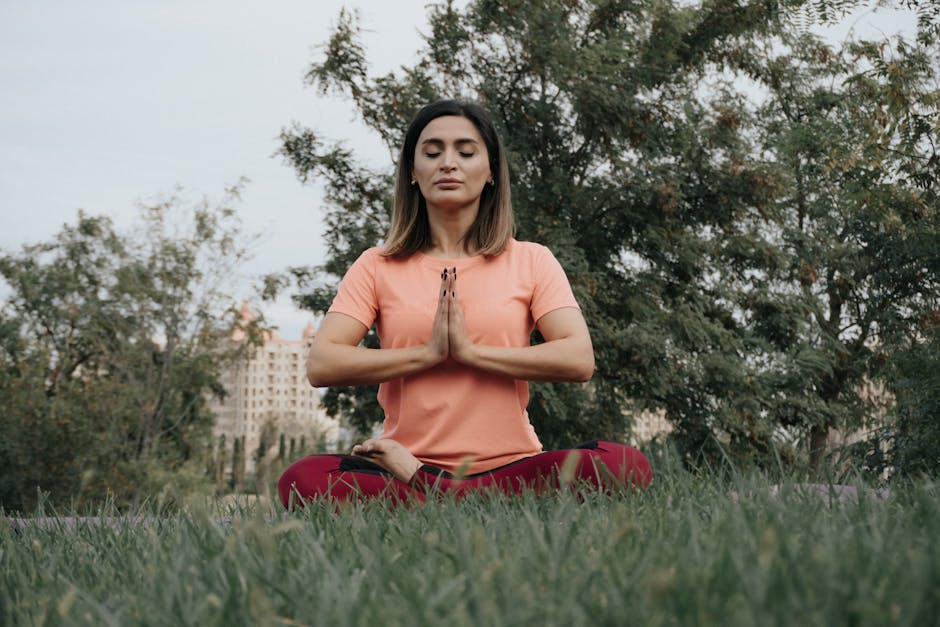
When you are browsing the aisles for the best meditation guide book, you will notice a distinct divide in writing styles: the Narrative approach and the Manual approach. Each serves a different psychological need and learning style. Understanding which one resonates with you can prevent the frustration of buying a book you will never actually finish. The Narrative style, exemplified by authors like Pema Chödrön in When Things Fall Apart, uses storytelling, personal anecdote, and poetic language to convey the essence of mindfulness. These books are often more about “the heart” than “the head.” They provide comfort and perspective during difficult times, making the practice feel like a compassionate companion.
The Manual approach, seen in works like The Mind Illuminated or Beyond the Breath by Marshall Glickman, is clinical and systematic. These books use lists, diagrams, and clear definitions. They treat the mind like a piece of machinery that can be understood and optimized through specific protocols. If you are the type of person who reads the instruction manual before assembling furniture, you will likely prefer this style. It provides a sense of progress and measurable milestones that the narrative style often lacks.
The trade-off is that manuals can sometimes feel dry or overly intellectual, potentially leading the reader to “think” about meditation rather than actually doing it. Conversely, narrative books can be so abstract that the reader is left wondering exactly what they are supposed to do when they sit on the cushion. The most successful practitioners often find a balance, keeping one manual for technical reference and one narrative book for inspiration. By alternating between these styles, you can maintain both the technical precision and the emotional depth required for a long-term practice. Ultimately, the best guide is the one that actually gets you to sit down and breathe.