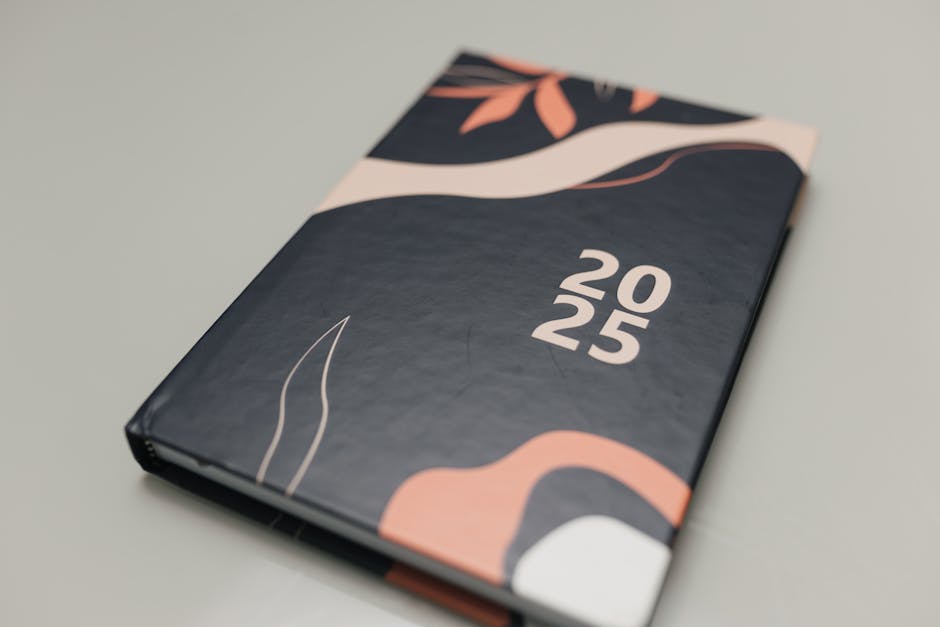
Most people buy a planner with good intentions, use it for a few weeks, then abandon it. This isn’t a willpower problem. It’s usually a tool problem. You’re likely picking the wrong kind of planner for how your brain actually works and what you need to accomplish.
Instead of chasing the next “perfect” system, learn what makes a planner effective for *you*. This guide breaks down common missteps and points you toward specific planners that align with different needs and lifestyles, giving you a real shot at consistent organization.
The Core Problem: Why Most Planners Fail You
The marketplace for planners is overflowing. Walk into any stationery store or browse online, and you’ll find hundreds of options, each promising to be the magic bullet for your productivity woes. This abundance, however, often leads to analysis paralysis and, worse, mismatched expectations. People often believe that the planner itself will somehow implant discipline or structure into their lives, forgetting that it’s merely a vessel for their own intentions and habits.
When a planner sits unused, it’s rarely because you lack the desire to be organized. More often, the planner’s design, layout, or rigidity simply doesn’t fit your natural workflow or the demands of your life. A common mistake is buying a planner based on aesthetics or what someone else uses, rather than a genuine assessment of your own needs. If you’re a spontaneous creative, a highly structured, hour-by-hour planner will feel like a cage. If you thrive on routine, a blank notebook might feel too chaotic. Understanding this mismatch is the first step toward finding a tool that genuinely helps.
The “Too Much” Trap: Overwhelm from Unused Features
Many planners come packed with sections for goal setting, habit tracking, daily reflections, meal planning, and budgeting. While these features sound appealing, they can quickly become overwhelming. If you don’t actually use the meal planning section, seeing it blank every week can create a subtle sense of failure or guilt. This leads to a feeling that you’re not “doing enough” with your planner, even if you’re effectively using other parts.
A planner should simplify, not complicate. If a planner has dozens of unused pages or sections, it adds cognitive load. You’re navigating clutter before you even get to your actual tasks. This often leads to abandoning the planner entirely because it feels like another chore instead of a helpful aid. Simplicity often wins when it comes to tools you interact with daily.
The “Too Little” Dilemma: Not Enough Space for Real Life
On the flip side, some planners are too minimalist, offering only a basic calendar or limited space for tasks. This can be equally frustrating. If your day involves detailed project breakdowns, extensive notes, or frequent brainstorming, a planner with tiny lines or no open space forces you to cram information, use separate notebooks, or simply give up on capturing everything in one place. This fragmentation defeats the purpose of having a centralized planning tool.
For instance, a simple weekly spread might work for someone with a predictable schedule and few external notes, but a student juggling multiple courses and extracurriculars will quickly run out of room. The ideal planner offers enough room for your specific needs, whether that’s ample writing space, dedicated sections for specific projects, or even blank pages for creative thought. It means finding the right balance of structure and flexibility for your unique demands.
How to Define Your Planning Style Before You Buy

Before you even look at products, assess how you actually work. Don’t buy a Ferrari if you need a pickup truck. Or vice-versa. Think about your typical day, your biggest challenges, and what kind of structure (or lack thereof) helps you thrive. This self-assessment is the most critical step to finding a planner that sticks.
Time Management Methods: Time-Blocking vs. Task-Listing
Your preferred method of managing your time dictates a lot about the planner you need. Are you a time-blocker, someone who assigns specific tasks to specific blocks of time in their day? Or do you prefer a simple task list, checking things off as they get done, with less rigidity about *when* they happen?
- Time-Blocking: If you thrive on structured schedules, thrive under deadlines, or have many fixed appointments, a planner with hourly or half-hourly slots is essential. This method helps you visualize your day’s commitments and allocate focused work periods. It’s great for preventing overcommitment and ensuring dedicated time for important tasks.
- Task-Listing: If your work is more fluid, project-based, or you prefer to tackle tasks as energy and opportunities arise, a planner with ample space for open-ended to-do lists and minimal pre-set times might be better. This allows for flexibility and often reduces the pressure of an overly rigid schedule. It’s suitable for roles that demand adaptability or for creative pursuits where flow is .
Consider which approach reduces your stress and helps you feel productive. Some people even combine elements, time-blocking key appointments and then task-listing within those blocks.
Digital vs. Analog: What Works for You?
The eternal debate: screen or paper? Both have distinct advantages and disadvantages, and your preference here is a major determining factor for your ideal “planner.”
- Analog (Paper Planners):
- Tactile Experience: Many people find the act of writing by hand more engaging and memorable. It can improve information retention and reduce distractions inherent in digital devices.
- Visual Clarity: A physical planner offers an immediate, always-on overview of your week or month without needing to open an app or click through screens.
- No Battery Life: It never runs out of power, making it reliable in all situations.
- Creativity and Personalization: Paper allows for doodling, stickers, different colored pens, and a more personal touch, which can increase engagement for some users.
- Digital (Apps & Software):
- Searchability: Instantly find past notes, appointments, or tasks with a quick search.
- Syncing Across Devices: Access your schedule and tasks from your phone, tablet, or computer, ensuring you’re always up-to-date.
- Reminders and Notifications: Get automated alerts for appointments and deadlines.
- Integration: Often integrates with calendars, email, and other productivity tools for a seamless workflow.
- Unlimited Space: No physical page limits, making it ideal for extensive note-taking or project management.
If you’re constantly on your computer or phone for work, a digital planner might feel more integrated. If you need a break from screens or find writing more meditative, analog is likely your path. There’s no right or wrong answer, only what fits your lifestyle and cognitive preferences.
Top Planners for Structured Goal-Setting: The Academic & Professional Choice
For those who thrive on detailed plans, project breakdowns, and clear goal progression, certain planners stand out. These aren’t just appointment books; they’re comprehensive systems designed to keep you focused on the bigger picture while managing daily tasks. My top recommendation here is the Hobonichi Techo Cousin for its versatility and ample space, though the Full Focus Planner offers a more rigid, goal-oriented system.
The Hobonichi Techo Cousin: Unmatched Versatility for Deep Work
The Hobonichi Techo Cousin (around $55-$65 for the planner alone, covers extra) is a Japanese planner celebrated for its high-quality Tomoe River paper and highly flexible layout. It’s an A5-sized, daily planner that also includes weekly and monthly spreads. Its main appeal lies in its daily pages, which feature a subtle 24-hour timeline, a grid layout for writing or drawing, and plenty of open space. The grid paper is perfect for bullet journaling, sketching, or detailed note-taking without feeling confined by lines.
Its thin, fountain-pen-friendly paper means the planner stays relatively thin despite having a page for every day of the year. This planner excels for academics, writers, or professionals who need to track multiple projects, capture extensive notes, and plan both their micro and macro tasks in one place. The freedom of the grid allows for highly personalized systems, from time-blocking to mind-mapping. It’s an investment, especially with optional covers, but its durability and flexibility make it a favorite among dedicated users.
The Full Focus Planner (Michael Hyatt): Goal-Oriented Productivity System
The Full Focus Planner by Michael Hyatt (around $44 per quarter) is less a blank canvas and more a guided system for achieving specific goals. It’s designed around a quarterly planning cycle, with dedicated sections for annual goals, quarterly goals, daily tasks, weekly reviews, and ideal week planning. The daily pages include sections for your top three daily priorities, appointments, and general tasks.
This planner is for individuals who are serious about setting and achieving ambitious goals. It forces you to prioritize and reflect regularly, ensuring your daily actions align with your long-term vision. The structure is highly prescriptive, which is a blessing for those who need clear guidance and accountability. It’s not about free-form planning; it’s about executing a strategic plan. The recurring cost and specific methodology mean it’s best for someone committed to a particular productivity philosophy, often in a professional or entrepreneurial context.
Best Flexible Planners for Creative Minds & Shifting Schedules

Sometimes life doesn’t fit into neat boxes. For creative professionals, freelancers, or anyone with highly variable days, a planner needs to offer structure without imposing rigidity. These options prioritize flexibility, giving you space to adapt.
| Planner Name | Key Features | Price Range | Best For |
|---|---|---|---|
| Moleskine Weekly Planner | Week-at-a-glance on left, ruled page for notes on right. Dated. Soft/Hard covers. Various sizes. | $20 – $30 | Minimalists, quick notes, open-ended task lists, general appointments. |
| Leuchtturm1917 Planner | Dated weekly or daily layouts. High-quality paper. Numbered pages. Index. Gusseted pocket. | $20 – $35 | Bullet Journalers who want structure, general planning, note-taking. |
| Midori MD Notebook Diary | Minimalist dated pages, excellent paper, no-frills design, opens flat. | $18 – $28 | Paper connoisseurs, minimalists, those who build their own system within basic dates. |
The Moleskine Weekly Planner is a classic for a reason. Its simple layout—week on one side, ruled page for notes on the other—is perfect for people who need to see their appointments at a glance but also require flexible space for tasks, lists, or even quick sketches. It’s unassuming and robust, fitting easily into bags. You won’t find extensive goal-setting prompts here, just a solid framework for managing your week.
The Leuchtturm1917 Planner takes the Moleskine’s simplicity and adds a few key features that appeal to the slightly more organized creative, especially those transitioning from or dabbling in bullet journaling. The numbered pages, index, and gusseted pocket provide a subtle structure for organization without feeling restrictive. Their paper quality is excellent, making it a joy to write in, and the various formats (weekly, daily) allow for choice. It offers just enough guidance to keep things tidy without forcing a specific system.
Budget-Friendly Planners That Still Deliver (Under $25)
You don’t need to spend a fortune to get a highly functional planner. There are excellent options that provide great value and effective organization without breaking the bank. These choices prove that smart design and quality materials can come at an accessible price point.
Q: What’s a good all-around planner for less than $25?
A: The Clever Fox Planner (around $19-$25 for undated versions) is a standout. It offers a comprehensive system that includes sections for gratitude, goal setting, vision boards, habit tracking, and monthly/weekly views. Crucially, it’s undated, meaning you can start using it any time of the year and pick up where you left off if you miss a few weeks. This flexibility is a huge advantage for consistency. It comes in various layouts (weekly, daily) and sizes, making it adaptable to different preferences. For its price, it packs a remarkable amount of guided productivity features, making it ideal for beginners who want to explore different planning elements without a big investment.
Q: I need something small and portable, also under $25. What’s the best option?
A: The Erin Condren Petite Planner series (around $14-$18 each) is an excellent choice for portability and focused planning. These are slimmer, saddle-stitched notebooks designed for specific purposes: daily planning, goal setting, budget tracking, or even gratitude. While you might buy them individually for specific needs (e.g., a ‘Daily Planner’ Petite or a ‘Goal Setting’ Petite), they are compact, light, and easy to carry. Their focused approach means you’re not paying for or carrying around unused sections. The paper quality is good, and the designs are clean. They are particularly good for someone who wants to try out a dedicated daily layout or supplement a larger, less portable planner with a specific focused notebook.
Your Planner Is Just a Tool: The One Habit That Matters Most

Ultimately, the specific planner you choose is less important than the consistent habit of actually using it. The best planner in the world is the one you open daily, write in, and consult. Develop a routine around reviewing your tasks and schedule, and even the simplest notebook can become a powerful organizational asset.